
Best Budget Electric Bikes

Budget electric bikes are no longer entry-level compromises. In recent years, manufacturers have significantly improved battery performance, motor efficiency, and overall build quality — even in lower price tiers.

Today, most “budget” e-bikes fall between $750 and $2,000, offering practical range, reliable components, and solid everyday usability without the premium price tag.

If price flexibility isn’t your primary concern, you can explore our full Best Electric Bikes guide for top-performing models across all categories and price levels.

What Counts as a Budget Electric Bike?

The definition of a “budget” electric bike has evolved. While rising battery and component costs have pushed entry pricing slightly higher, riders today receive significantly better performance and reliability at lower price points than they did just a few years ago.

For practical comparison, we group budget electric bikes into three tiers:

Under $750 – Entry-Level:
These models are designed for light recreational riding and short urban trips. Expect basic suspension (if any), smaller battery capacities, and hub-drive motors suited for flatter terrain. They can offer solid value for casual riders but are not built for demanding daily use.

$750–$1500 – Value Tier:
This is where the majority of riders find the sweet spot. Bikes in this range often feature improved battery range, stronger motors, hydraulic disc brakes, and more durable frames. For commuters and regular riders, this bracket delivers the best balance between cost and performance.

$1500–$2000 – Premium Budget Tier:
At this level, you begin to see higher torque motors, larger battery capacities, better suspension systems, and more refined components. While still considered “budget” compared to premium $3,000+ models, this tier offers meaningful performance gains for riders who want stronger acceleration and longer range without entering the high-end price category.

Shop by Budget Tier

Choose your price range below to see the best picks in that tier.

Under $750

Designed for light recreational riding and short urban trips. Expect basic components, smaller battery capacities, and hub-drive motors. Best suited for casual riders rather than demanding daily use.
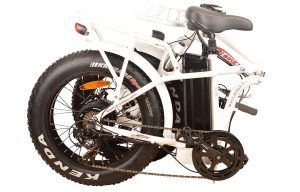
best foldable electric bikes

$750 - $1500

The sweet spot for most riders. Bikes in this range offer improved battery range, stronger motors, hydraulic disc brakes, and more durable frames — delivering the best balance between cost and performance.
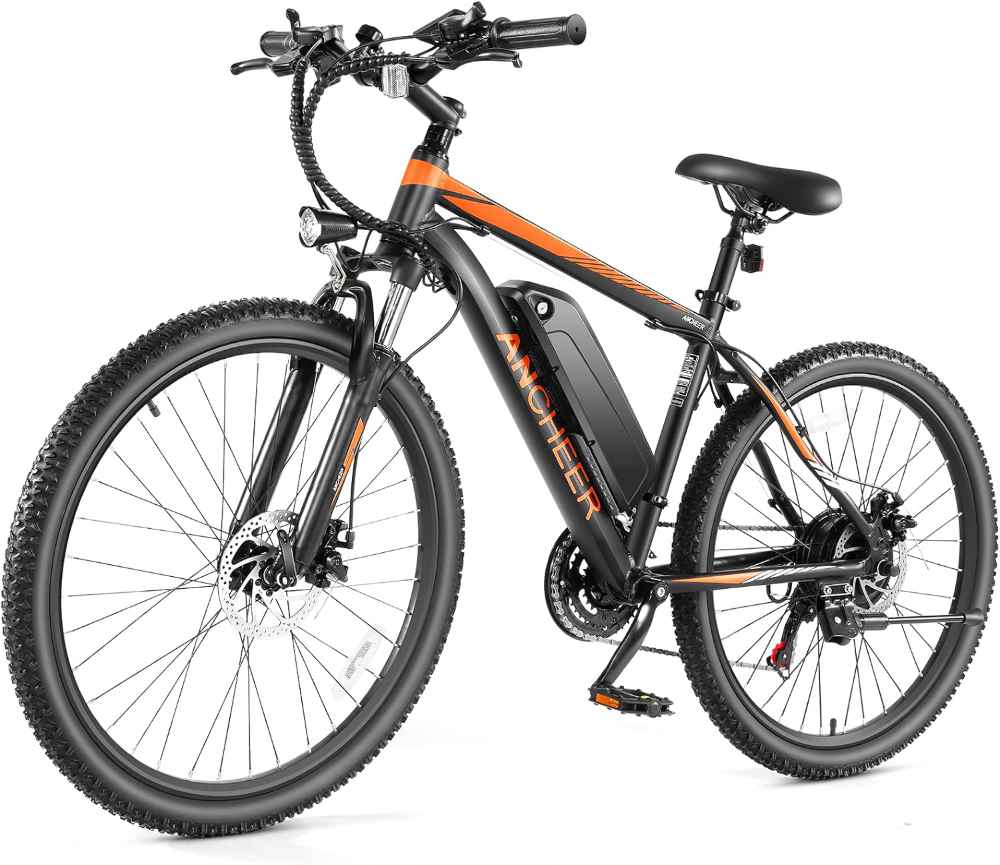
$1500 - $2000

Higher torque motors, larger battery capacities, and upgraded components become common here. Still considered “budget” compared to premium $3,000+ models, this tier offers meaningful performance gains without entering high-end pricing.

What Do You Sacrifice at Lower Price Points?

Budget electric bikes deliver strong value — but cost savings do come from somewhere. Understanding where manufacturers reduce expenses can help set realistic expectations before you buy.

Battery Range:
Lower-priced models typically use smaller battery capacities, which means shorter range per charge. While suitable for short commutes and casual rides, they may not support extended daily travel without frequent charging.

Riders using their e-bike primarily for daily travel should also review our Best Commuter Electric Bikes guide, which compares models designed specifically for reliability, comfort, and range in urban environments.

Motor Power & Torque:
Entry-level bikes often use lower wattage hub-drive motors. These perform well on flat terrain but may struggle with steep hills or heavier riders compared to mid-drive or higher-torque systems.

Suspension & Ride Comfort:
Budget models may include basic front suspension forks or rigid frames. Higher price tiers often improve ride comfort with better shock absorption and frame design.

Braking Systems:
Mechanical disc brakes are common at lower price points, while hydraulic disc brakes — which offer stronger and more consistent stopping power — tend to appear in the mid-budget range and above.

Frame Materials & Components:
Lower-cost bikes may use heavier frames and entry-level drivetrains. While durable enough for casual riding, they may not offer the refinement or longevity of higher-end components.

Warranty & Brand Support:
Premium brands often provide stronger customer support networks and longer warranties. Budget-focused brands may offer more limited post-purchase support.

Storage & Practicality Considerations

Many budget electric bikes use larger frames and batteries to maximise value. If storage space is limited — such as in apartments, small homes, or shared living spaces — a compact design may be more practical. In that case, reviewing our Best Folding Electric Bikes guide can help you compare space-saving options without sacrificing performance.

Who Should Avoid Budget Electric Bikes?

Budget electric bikes offer strong value, but they’re not the right choice for every rider.

You may want to consider higher-tier models if you:

  • Ride long distances daily and need extended range
  • Frequently climb steep hills and require sustained motor torque
  • Weigh over 275–300 lbs and need reinforced frames and higher load capacity
  • Prefer dealer-based service networks and premium warranty support

In these cases, exploring higher-tier electric bikes with stronger components and extended range may provide better long-term performance and reliability.