
Best Folding Electric Bikes
Folding electric bikes are designed for portability and compact storage. Unlike full-frame commuter or mountain models, folding e-bikes prioritize space efficiency, transport convenience, and accessibility for riders with limited storage or mixed commuting needs.
Rather than focusing solely on top speed or peak power, we evaluate folding electric bikes based on frame design, hinge durability, motor torque, battery capacity (watt-hours), folded size, and overall practicality.
Below, we highlight folding electric bikes that balance portability, performance, and everyday usability.
“Our folding bike rankings are based on portability, motor performance, battery range, real-world usability, and overall value.
Quick Snapshot: Folding Electric Bikes
• Designed for compact storage and transport
• Folding frame for apartments, offices, or RV use
• Common motor output: 500W–750W
• Battery capacity typically 480–720Wh
• Smaller wheel sizes (often 20”)
• Heavier than traditional non-electric folding bikes
Best Folding E-Bikes to Consider

ADDMOTOR Foldtan M-160: Folding Fat Tire Electric Bike
- $1501 - $2000
- 20-Inch
- The Addmotor Foldtan M-160 is a versatile folding e-bike that combines powerful performance and convenience, making it perfect for urban commuting and off-road adventures....

Fiido L3 Long Range Folding E-bike Review
- $751 - $1000
- Below 20-Inch
- The Fiido L3 offers an impressive 120-mile range and a compact, foldable design, making it the perfect choice for urban commuters seeking reliability and efficiency....
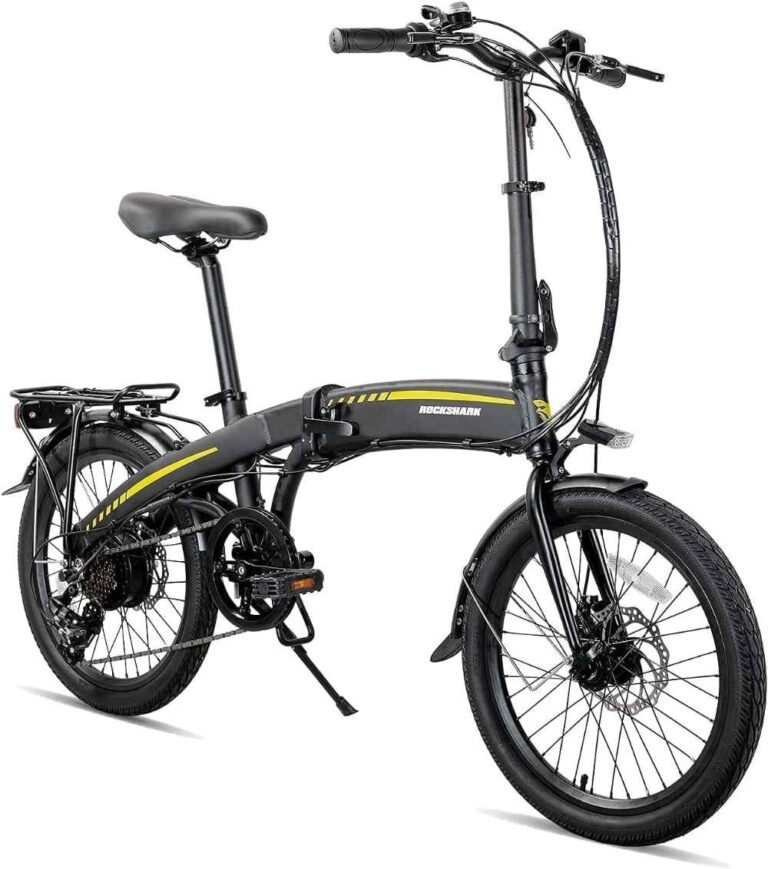
HH HILAND ROCKSHARK Folding Electric Bike Review: Compact Power on the Go
- $0 - $499
- 20-Inch
- Discover the blend of power, convenience, and style in the HH HILAND ROCKSHARK Folding Electric Bike – your ideal urban commuting companion....
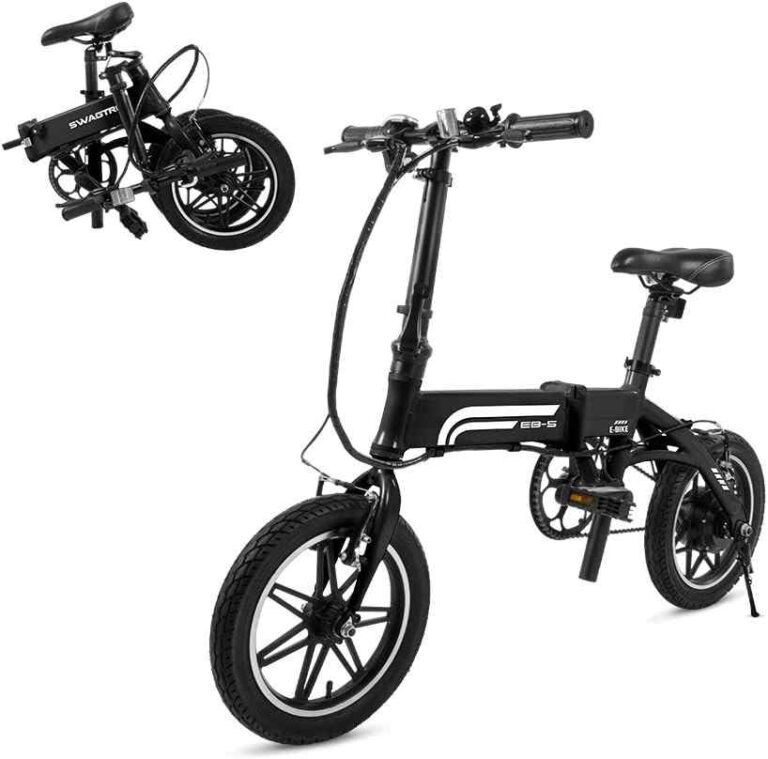
SWAGTRON EB-5 Swagcycle: The Ultimate Folding Electric Bike for Urban Commuters
- $0 - $499
- Below 20-Inch
- "Revolutionize your commute with the SWAGTRON EB-5 Swagcycle, the folding electric bike that brings together efficiency and style."...
What Defines a Strong Folding Electric Bike?
Folding Mechanism and Frame Strength
Urban Commuters
Riders navigating dense city environments who may need to store their bike in an office, apartment, or small living space.
Apartment Dwellers
Those without garage access who require a compact, indoor-friendly solution.
RV and Caravan Travellers
Folding models fit easily into limited storage compartments, making them ideal for travel use.
Mixed-Mode Transport Users
Riders combining cycling with trains or buses benefit from the ability to fold and carry the bike when required.
However, folding e-bikes may not be ideal for riders seeking aggressive trail performance, long-distance high-speed commuting, or heavy cargo hauling.
Motor Output and Usability
Most folding electric bikes use 500W–750W hub motors.
Because many folding models are compact and slightly heavier than they appear, adequate torque helps compensate for smaller wheel sizes and rider weight.
Torque output and controller tuning influence acceleration and hill-climbing performance more than peak wattage alone.
Battery Capacity and Real-World Range
Battery capacity should be evaluated in watt-hours (Wh):
Volts × Amp Hours = Watt Hours
For folding e-bikes:
• 480–600Wh suits shorter urban travel
• 600–720Wh offers more buffer for longer trips
• Higher capacity increases weight, which affects portability
Real-world range depends on assist level, terrain, rider weight, and stop-start riding patterns.
Portability Considerations
Portability includes more than just folding.
Important factors:
• Total bike weight
• Folded dimensions
• Handlebar and pedal collapse
• Ease of lifting
• Locking mechanism security
Some models are easier to transport than others despite similar specs.
Wheel Size and Ride Feel
Many folding e-bikes use 20” wheels.
Smaller wheels improve compactness but can feel less stable at higher speeds compared to full-size 26” or 27.5” wheels. Tire width influences ride comfort and stability.
Trade-Offs & Who Folding Electric Bikes Are For
Advantages
Folding electric bikes offer unique convenience advantages, but they are not designed to replace every full-size e-bike category.
Portability
The primary benefit is compact storage. Folding models can fit in apartments, offices, car boots, RVs, and public transport spaces where full-size bikes are impractical.
Urban Manoeuvrability
Smaller wheelbases and lighter frames make folding e-bikes agile in tight city environments.
Mixed-Mode Commuting
They pair well with train or bus travel, allowing riders to combine pedal assist with public transport.
Trade-Offs
Ride Stability at Speed
Smaller wheels and compact geometry can feel less stable at higher speeds compared to full-size commuter or mountain bikes.
Frame Rigidity
The folding hinge introduces potential flex, particularly in lower-priced models with weaker locking mechanisms.
Comfort on Rough Terrain
Folding e-bikes are generally better suited to paved surfaces rather than aggressive trails or uneven terrain.
Understanding these strengths and limitations helps determine whether a folding electric bike fits your specific riding needs.
Best For
• Apartment dwellers
• RV and van-life users
• Urban commuters combining transit and cycling
• Riders with limited storage space
Consider Another Category If:
• You want full-size frame stability → Commuter Electric Bikes
• You ride off-road terrain → Mountain Electric Bikes
• You prioritize maximum traction → Fat Tire Electric Bikes