The Science Behind the Brakes: Transforming Kinetic Energy into Electric Power
Regenerative braking, a concept both ingenious and efficient, revolves around a simple yet powerful principle: converting kinetic energy into usable electric power. This transformative process takes advantage of the energy that’s traditionally lost as heat during conventional braking maneuvers. In the realm of electric bikes, this technology serves as a hidden treasure, offering the potential to recapture a portion of the energy expended while descending hills. As you enjoy the thrill of downhill riding, the regenerative braking system steps in to capture the forward momentum you’ve gained, converting it into electrical energy that can be harnessed to recharge your e-bike’s battery.
Unveiling the Mechanism
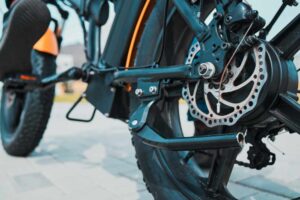
At the core of regenerative braking lies the mastery of electromagnetic principles. The e-bike’s motor, which usually functions to propel you forward, can, under the magic of regenerative braking, switch roles and act as a generator. When you apply the brakes, the motor’s direction is reversed. Instead of consuming electrical energy to produce motion, it harnesses the bicycle’s momentum to generate energy. This energy is then converted into electrical power and directed back to your battery for storage. It’s a brilliant cycle where the very act of slowing down turns your e-bike into a mini power station, ready to recharge as you ride downhill.
The Conversion Process
As your e-bike cruises downhill, its kinetic energy drives the wheels’ rotation. Traditional brakes would dissipate this energy as heat, leaving it to vanish into the atmosphere. Regenerative braking, however, intervenes by engaging the motor as a generator. This generator transforms the mechanical energy of the rotating wheels into electrical energy. But the process doesn’t end here. This electrical energy, which is in the form of direct current (DC), undergoes a transformation in the controller. It’s converted into an alternating current (AC) to match the characteristics of your battery’s charging process. This converted energy flows back into your battery, ready to power your future rides.
Limits and Considerations
While regenerative braking is an ingenious concept, it’s important to note its limitations. This system is most effective when you’re descending hills at a moderate to high speed, generating enough momentum to yield a noticeable electrical output. If you’re riding at a slow pace or applying brakes frequently, the energy recovered might be minimal. Additionally, not all e-bike systems offer regenerative braking capabilities. Some models prioritize simplicity and weight reduction, forgoing the complexity of the regenerative process.
Understanding the science behind regenerative braking unveils its potential to make your downhill journeys even more impactful. The kinetic energy that once dissipated as heat can now be captured and stored for future rides, presenting a thrilling convergence of innovation and sustainability.
Separating Fact from Fiction
The allure of regenerative braking might lead to assumptions that downhill rides act as charging sessions. But before you start planning to conquer mountains for free battery power, it’s crucial to understand the limitations and actual outcomes of this technology. In this section, we’ll sift through the misconceptions and help you form a clear understanding of what regenerative braking can and cannot achieve in terms of charging your e-bike’s battery.
Misconception: Charging While Descending
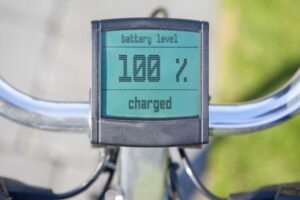 One common misconception is that regenerative braking can fully charge an e-bike’s battery during a downhill ride. While it’s a captivating idea, the reality is more nuanced. Regenerative braking is an efficient way to recapture some of the energy that’s usually lost as heat during braking, but it’s not a magical solution that can fully replenish your battery’s charge. The energy generated during a descent might contribute to a small percentage of your battery’s capacity, but it’s unlikely to provide a complete charge.
Efficiency and Real-world Impact
The efficiency of regenerative braking varies based on factors like speed, terrain, and the technology of your e-bike’s regenerative braking system. In real-world scenarios, the amount of energy recaptured during a downhill ride might not be as substantial as you envision. This technology shines brightest during frequent braking situations in urban environments, where it can extend your e-bike’s range by converting the energy dissipated during stop-and-go traffic into usable power.
Optimal Conditions and Practical Use
To make the most of regenerative braking, it’s important to ride under optimal conditions. Descending steep hills at higher speeds generates more kinetic energy, increasing the potential for energy recapture. However, if you’re riding on flat terrain or at a slower pace, the energy generated might be minimal. Additionally, regenerative braking is most effective when the battery is not fully charged, as it has the capacity to absorb the recovered energy.
A Piece of the Puzzle
While regenerative braking is a valuable addition to e-bike technology, it’s essential to view it as a complementary feature rather than a primary charging method. Relying solely on regenerative braking to charge your e-bike’s battery can lead to disappointment, as the energy harvested might not fulfill your expectations. Instead, consider regenerative braking as a piece of the puzzle in your overall energy management strategy. It’s a smart way to make your downhill rides more efficient and contribute to extending your e-bike’s range.
Understanding the reality of e-bike charging through regenerative braking allows you to approach this technology with realistic expectations. While it won’t fully charge your battery, it does offer an efficient way to capture and repurpose energy that would otherwise be lost. By integrating this technology into your riding habits, you can maximize your e-bike’s efficiency and play a small role in the sustainable future of transportation.
Optimal Conditions for Energy Recovery
While regenerative braking is an impressive technology, it’s essential to recognize that its effectiveness depends on several variables. From your e-bike’s speed to the efficiency of its brake system, various factors come into play. We’ll explore the circumstances under which regenerative braking can deliver a significant amount of energy recovery and when it might yield more modest results.
1. Speed Matters
Regenerative braking is most effective at higher speeds. When your e-bike is cruising downhill at a brisk pace, there’s more kinetic energy to capture and convert. At slower speeds, the energy generated might be minimal, which could impact the overall efficiency of the regenerative system.
2. Brake System Efficiency
The efficiency of your e-bike’s brake system plays a crucial role in the success of regenerative braking. High-quality brake systems that can bring your bike to a controlled stop quickly and smoothly are more likely to facilitate effective energy conversion. Brakes that apply smoothly and progressively are better at maintaining tire traction and optimizing energy recovery.
3. Terrain and Riding Style
The nature of the terrain you’re navigating matters. On steep descents, regenerative braking can potentially recover more energy due to increased speed and kinetic energy. On gentler slopes, the energy generated might be comparatively lower.
4. Battery State
The state of your e-bike’s battery also influences regenerative braking outcomes. If your battery is nearly full, it might not have the capacity to absorb the generated energy efficiently. On the other hand, a partially depleted battery can better utilize the incoming energy for charging.
5. Brake Application and Technique
How you apply the brakes can affect energy recovery. Smooth and consistent braking allows the regenerative system to engage more effectively. Abrupt or sporadic braking may disrupt the energy conversion process.
6. Overall Ride Duration
Longer rides with extended downhill segments provide more opportunities for energy recovery. Short rides with minimal elevation changes might not yield substantial energy conversion.
7. Hybrid Systems
Some e-bikes come equipped with hybrid systems that combine regenerative braking with traditional mechanical brakes. These systems can fine-tune the balance between energy recovery and braking efficiency, enhancing the overall riding experience.
Concluding Part 1
The success of regenerative braking hinges on a delicate interplay of various factors. While it’s a technology with the potential to enhance your e-bike’s efficiency and extend its range, it’s important to manage your expectations. Recognize that regenerative braking is most effective in specific scenarios, particularly during downhill descents at higher speeds. By understanding these influencing factors, you can better appreciate the capabilities of regenerative braking and make the most of this innovative energy-saving mechanism during your e-bike adventures.
As we’ve explored the fascinating world of regenerative braking and debunked common misconceptions about e-bike charging on downhill rides, it’s clear that this technology presents a compelling blend of efficiency and sustainability. However, understanding its practical application and real-world impact requires a deeper dive. In Part 2 of our exploration, we’ll shift gears to focus on maximizing the benefits of regenerative braking in everyday riding scenarios, investigate its broader implications for urban commuting and e-bike technology, and contemplate future innovations that may enhance its utility even further. Join us as we continue to unravel the dynamic potential of regenerative braking and its role in shaping the future of electric biking.