As electric bikes (e-bikes) surge in popularity, understanding their speed capabilities becomes increasingly important for enthusiasts and newcomers alike. These modern marvels of mobility blend efficiency, eco-friendliness, and advanced technology to offer a compelling alternative to traditional transportation. The speed of an e-bike is influenced by several factors, including motor power, battery life, and rider input, as well as the regulatory landscape that varies significantly across regions. This introduction will shed light on how these elements interplay to define the riding experience, offering insights into the dynamic world of e-bike speeds.
Class 1 e-bikes are pedal-assist only, with no throttle, and the motor ceases to assist when the bike reaches 20 mph.
Class 2 e-bikes also have a maximum speed of 20 mph but can be propelled by a throttle without pedaling.
Class 3 e-bikes are pedal-assist only, with no throttle, and the motor assists up to 28 mph.
 Each class reflects a balance between providing adequate speed for various needs—such as commuting or recreational use—while also considering safety and regulatory compliance. For example, Class 3 e-bikes, often preferred for longer commutes, may have restrictions on where they can be ridden, such as being prohibited on certain bike paths.
Riders might modify e-bikes for higher speeds, but this can introduce legal and safety concerns, as modifications might render the bike non-compliant with the classification system and local laws. Understanding these categories helps riders make informed decisions about which electric bike suits their needs while ensuring they adhere to road rules and safety standards.
Motor Power and Design
The motor is the heart of an electric bike, directly influencing its speed. Motors with higher wattage offer more power, enabling faster acceleration and higher top speeds. However, the motor’s efficiency and design also play critical roles. Some motors are optimized for torque, enhancing performance on uphill climbs, while others prioritize speed on flat terrain.
Battery Capacity and Impact on Speed Sustainability
An e-bike’s battery determines how long you can maintain high speeds. Higher capacity batteries allow for longer rides at maximum power without needing a recharge. However, the actual speed sustainability will also depend on how the rider manages power usage, especially in modes that drain the battery faster.
Rider Input and Terrain
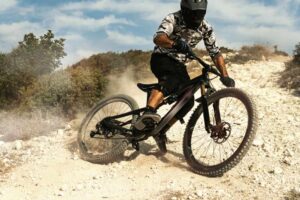
Rider input—how hard and how often the rider pedals—significantly affects an e-bike’s speed. Pedal-assist systems amplify the rider’s effort, meaning more input can lead to higher speeds. Terrain is another crucial factor; smooth, flat surfaces allow for higher speeds, whereas rough or uphill terrain can reduce them. Understanding these elements helps riders maximize their e-bike’s performance, ensuring a balance between speed, efficiency, and battery life.
The speed of an electric bike is influenced by a combination of its motor capabilities, the battery’s capacity and management, the rider’s effort, and the terrain they navigate. By understanding these aspects, riders can better optimize their e-bike’s performance for both speed and efficiency, ensuring a ride that is not only fast but also enjoyable and suited to their needs.
Urban Commuting
In city environments, Class 1 and 2 e-bikes shine by offering speeds up to 20 mph, perfectly aligning with urban speed limits while ensuring a swift, efficient commute. For instance, the Turbo Vado SL by Specialized effortlessly navigates city streets with its pedal-assist system, making the rush hour a breeze for commuters.
Off-Road Adventures
For off-road enthusiasts, e-bikes like the Powerfly FS 7 from Trek provide the necessary power and durability. Equipped with robust motors and suspension systems, these e-bikes handle rugged terrains at speeds that keep the thrill alive without compromising on control.
Racing Excellence

E-bike racing, a burgeoning sport, pushes the envelope with Class 3 e-bikes, such as the S-Works Turbo Creo SL from Specialized. These machines can reach assisted speeds up to 28 mph, offering a competitive edge in races designed specifically for e-bike classifications.
Across varying contexts—from daily commutes to the thrill of off-road and racing scenarios—e-bikes demonstrate their adaptability and efficiency. By choosing the right class and model, riders can optimize their experience to match their speed needs and terrain challenges, ensuring every journey is as exhilarating as it is efficient.
Ensuring Optimal Performance Safely
To fully enjoy the benefits of your e-bike’s speed capabilities, maintaining a balance between performance and safety is key. Regular maintenance checks, including tire pressure, brake functionality, and battery health, can prevent unexpected issues during rides.
Gear Up for Safety
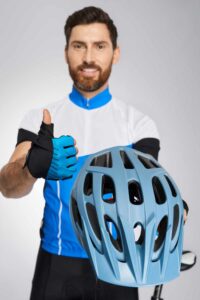 Wearing appropriate safety gear, such as helmets, reflective clothing, and protective eyewear, is essential for all e-bike riders. These precautions help mitigate the risks associated with higher speeds, ensuring a safer experience.
Local Laws and E-Bike Speed
Adherence to local e-bike laws and regulations cannot be overstated. These laws often specify speed limits, required safety equipment, and designated riding areas, tailored to keep both riders and pedestrians safe.
While e-bikes offer the exhilarating advantage of speed, prioritizing safety through proper gear, adherence to laws, and regular bike maintenance ensures a joyful and secure riding experience. Balancing speed with safety allows riders to explore the full potential of their e-bikes without compromise.
Dive deeper into the electrifying world of electric bikes by exploring our curated list of the top 20 electric bikes. Whether you’re a seasoned rider or new to the e-bike community, our comprehensive reviews offer insights into performance, design, and value to help you find the perfect ride. Visit Electric Bike Critic to start your journey toward the ultimate e-biking experience.